 Welcome to my blog on Microsoft security, compliance and AI.
Hi, I’m Knut Petter
Welcome to my blog on Microsoft security, compliance and AI.
Welcome to my blog on Microsoft security, compliance and AI.
Imagine that Per in the sales department spent an afternoon cleaning up the customer list. There were duplicate entries, errors in email addresses, and old newsletter sign-ups. Then he realized that the chatbot he pays for privately could do much of the work in a few minutes. He uploaded the Excel file and got a tidy list back. At the next department meeting, he proudly shared how much time he saved. Only then came the question no one had asked: What actually happened to the customer data when the file was uploaded? ...

Imagine that someone gains access to the email account of the person responsible for finance in your organization. They can read conversations with suppliers, see which invoices are expected, and send messages from an address colleagues trust. For a small business, the consequences can be serious, even with only a handful of employees. When you ask how you are protected against this, the answer might be: “Everyone has registered MFA.” That is a good starting point. But it only tells you that employees have set up a way to verify their identity. It does not tell you which requirements actually apply when someone tries to access their email. ...
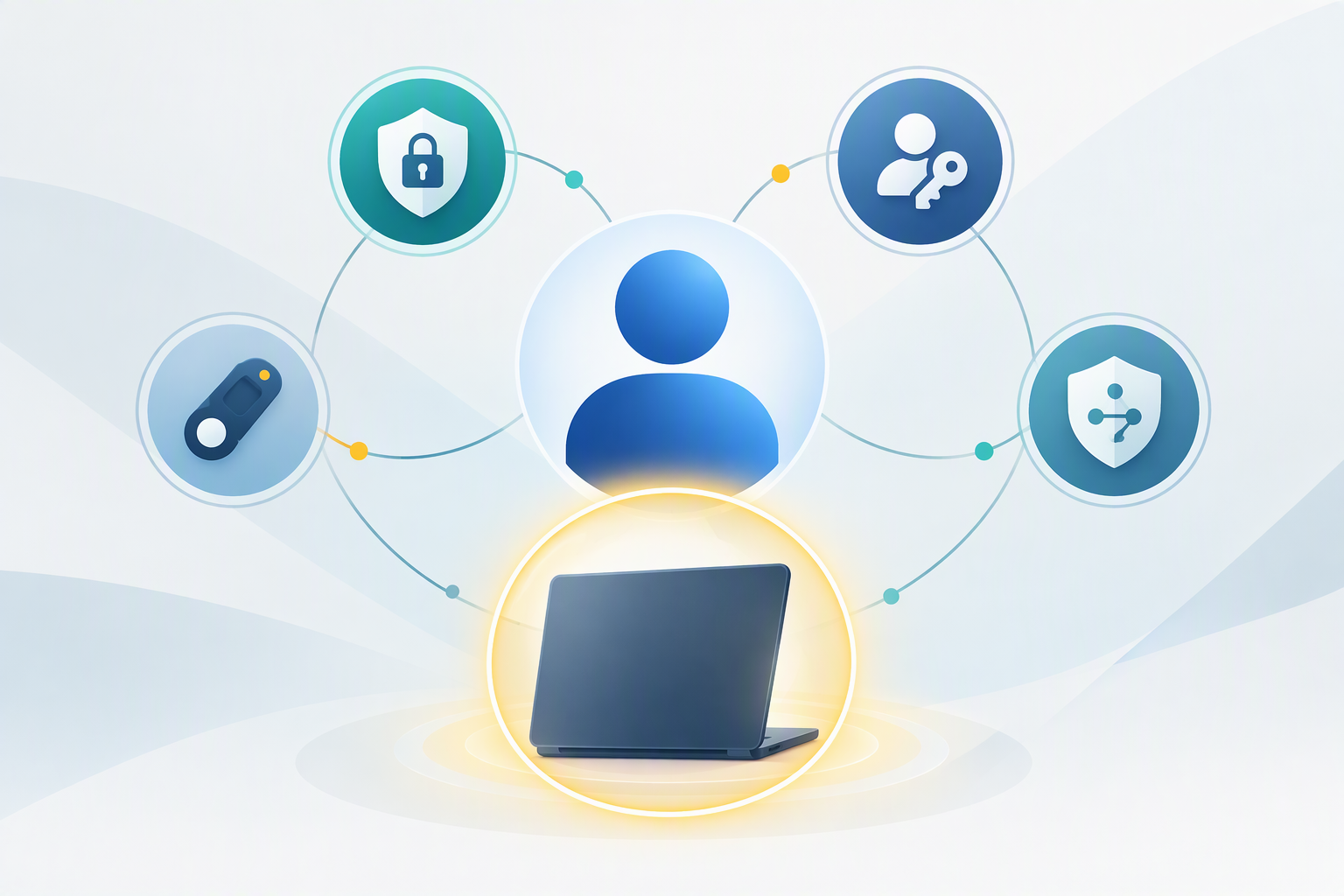
One of the things I brought home from Workplace Ninja Summit in Baden was how much the device actually matters to the identity. We talk a lot about MFA, passkeys, Conditional Access, and tokens. But the device isn’t just something the user sits in front of when they sign in. The device can itself become part of the trust chain. That point was clear across sessions on modern identity attacks, device trust, passkeys, and privileged workstations. Shortly after the conference, concrete attacks made the issue far less theoretical. ...

In short: From May 2026, Microsoft is rolling out the integration between SharePoint, OneDrive, and Microsoft Entra B2B to all tenants. External sharing will then be more tightly coupled to guest identities in Entra, and old sharing links should be mapped before the transition reaches the tenant. The rollout happens automatically, tenant by tenant. When it reaches an individual tenant, EnableAzureB2BIntegration no longer has any effect. The integration also cannot be turned off, and the change applies to the entire tenant. ...

Microsoft 365 Business Premium is the flagship in the business segment for organizations with up to 300 users, and the license includes much of what a Norwegian mid-sized organization actually needs in 2026: identity, device management, email protection, and endpoint protection. But that does not mean the organization is secure when the license is purchased. It only means the organization can set up much better protection than before. Microsoft 365 Business Premium frequently asked questions Microsoft’s overview of target audience, 300-user limit, and product positioning for Business Premium. Microsoft 365 for business security overview Microsoft’s overview of the security areas in Microsoft 365 for Business. The most important point is simple: Business Premium is a licensing bundle, not a pre-secured operating state! ...

You haven’t just adopted a new Copilot. You’ve brought a new digital actor into the organization. That’s perhaps the most important change with agents right now. When an agent gets its own identity, access to data, and the ability to perform actions over time, it’s no longer enough to ask who created it or who pressed start. We also need to ask what the agent actually does, what it has access to, whether its behavior changes, and what happens if it starts doing something it shouldn’t. ...
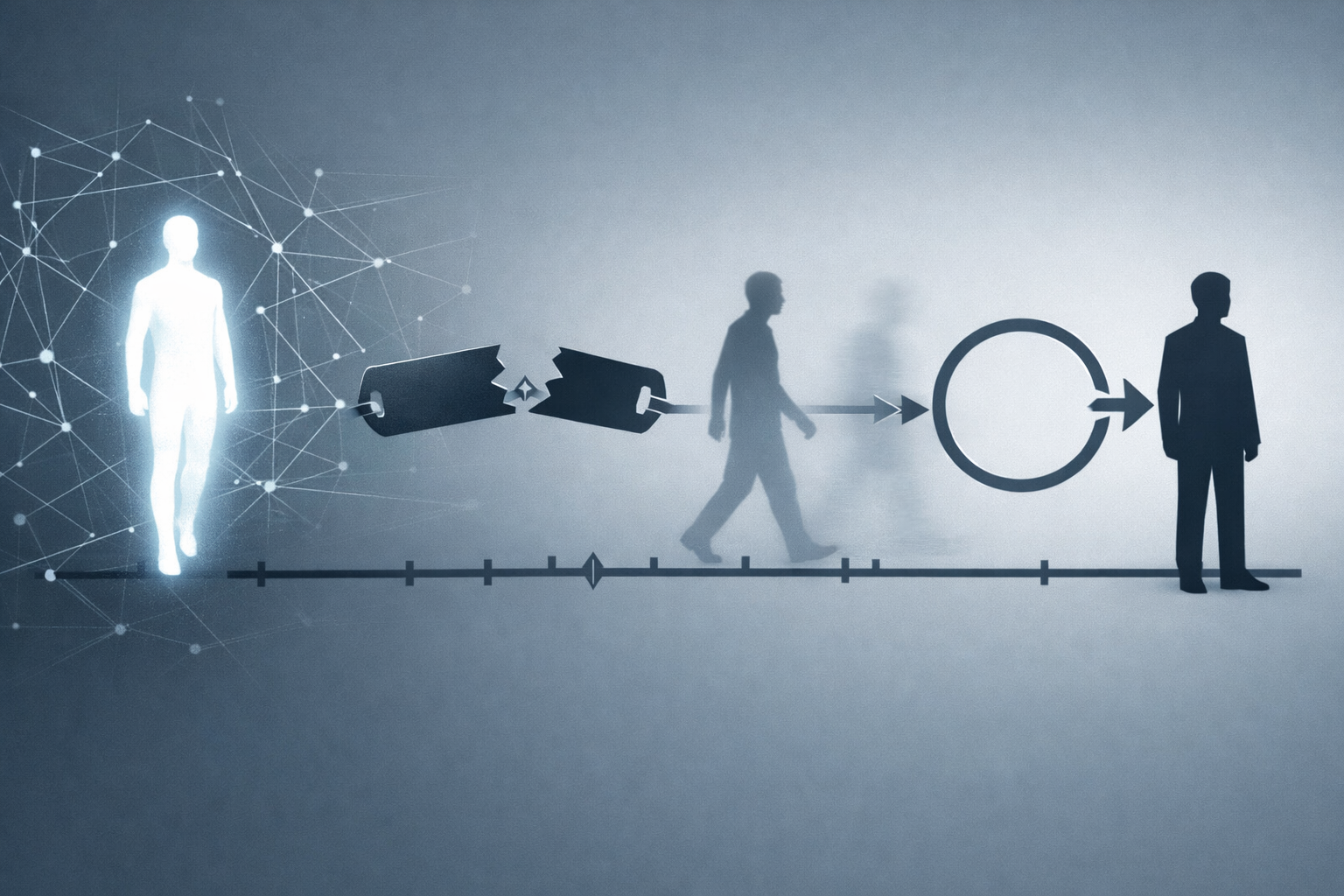
It’s easy to be fascinated by how quickly we can build an agent. A subject-matter expert can get an idea in the morning and have a working agent before lunch. But what happens six months later when that same expert leaves? Who owns the agent then? Who knows what it has access to? Who is responsible for it continuing to exist? And who catches the agent in the offboarding process if HR, IT and the business unit don’t even know it exists? ...

The big shift in 2026 isn’t just who tries to break in. It’s how often they simply log in. For Norwegian organizations, including small ones, this means the line between “external attacker” and “insider risk” has become much less useful in practice. If an employee is phished, or an account is compromised another way, activity quickly looks like legitimate use. Then the question isn’t just whether you stop the break-in. You also have to detect that an apparently normal user suddenly behaves like a risk. ...